
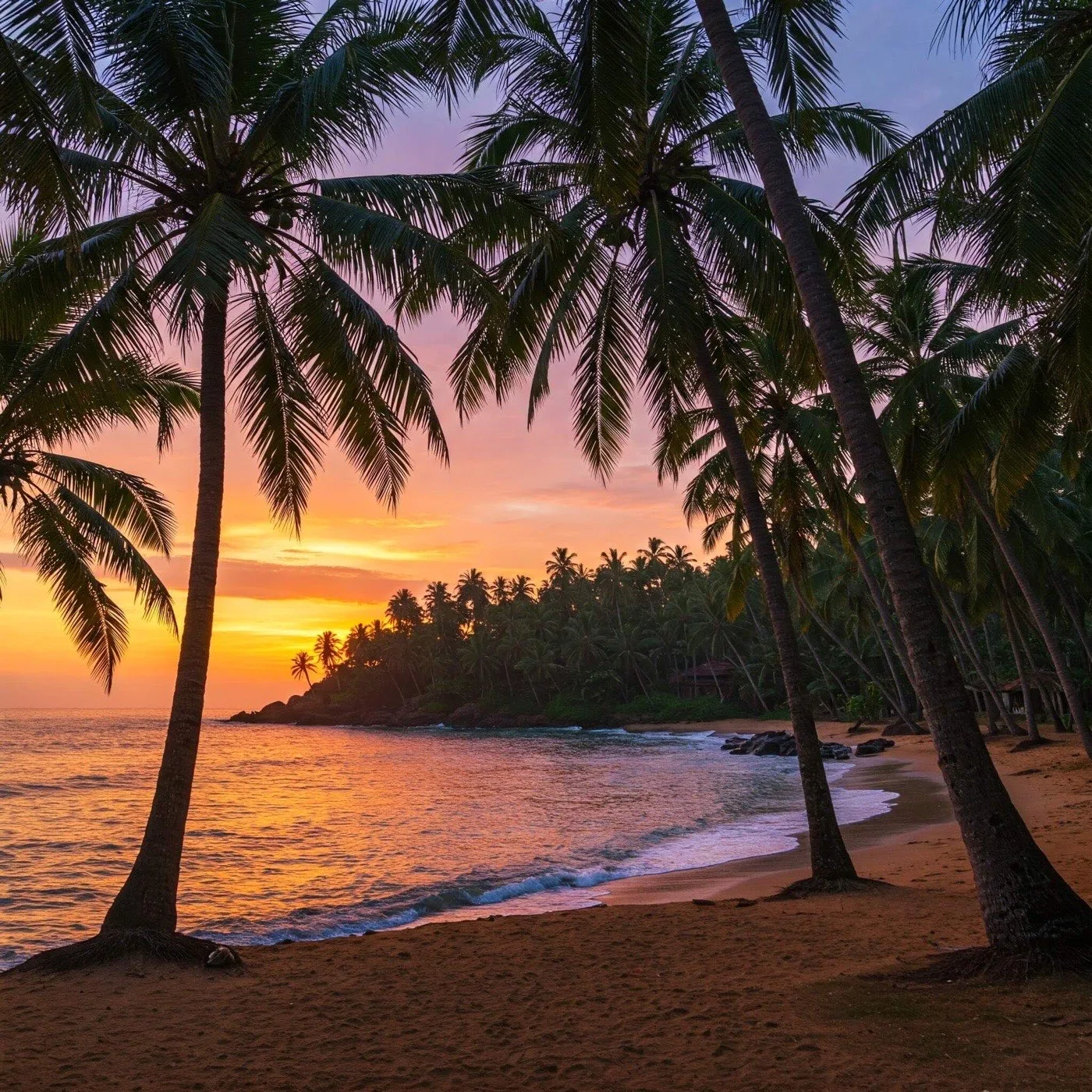
About Batticaloa
Batticaloa — 'Batti' to locals — is one of Sri Lanka's oldest port cities, built around a natural lagoon system on the east coast. The Dutch constructed a fort here in 1665, which the British later modified — it still stands on a small island in the lagoon, connected to the mainland by a causeway, and is one of the best-preserved colonial fortifications in Sri Lanka.
The city's most unusual claim to fame is the 'singing fish' — a musical humming sound that rises from the Batticaloa Lagoon on full moon nights, audible if you lower a watch or wet finger into the water. The phenomenon has been studied and attributed to fish species producing the sound, though the precise species remains debated. Local legends have accumulated around it for centuries.
Batticaloa was one of the communities most severely affected by the 2004 tsunami and the civil conflict, and its recovery is remarkable. The city today has a warm, resilient character — predominantly Tamil-speaking with a strong Catholic community — and serves as the regional hub for the eastern province.
The city functions as the main base for Pasikudah (30 km north) and Kalkudah beaches, and as the access point to the east coast's lesser-visited lagoon system.
Highlights
- Batticaloa Dutch Fort — 17th-century fort on a lagoon island, remarkably intact
- The Singing Fish — mysterious musical humming from the lagoon on full moon nights
- Gateway to Pasikudah and Kalkudah beaches (30 km north)
- Kallady Bridge — colonial-era bridge with views over the wide lagoon system
- Authentic east-coast Tamil city rarely visited by tourists
- Basilica of Our Lady of Sorrows — important Catholic pilgrimage site
Plan & Book
Hotels & Stays
Search on Booking.com
Tours & Experiences
Browse on GetYourGuide
Bus & Train Tickets
Book on 12Go Asia
Links above are affiliate links. We may earn a small commission at no extra cost to you — it helps keep this site free.
What to See & Do
Batticaloa Dutch Fort
Built by the Dutch in 1665 on a small island in the lagoon, later modified by the British. The fort is now partly used as a government office but remains largely intact — walk the ramparts for views over the lagoon and town.
The Singing Fish Lagoon
On full moon nights, the Batticaloa Lagoon produces a mysterious musical humming sound. Local guides take visitors out by boat to listen — dip a finger or watch into the water to hear it more clearly. The source is believed to be bottom-dwelling fish.
Kallady Bridge
A long colonial-era bridge crossing the wide Batticaloa Lagoon — a favourite spot for sunset views over the water and the city beyond.
Getting There from Colombo
Via A1 through Habarana and A15 to Batticaloa.
Train from Colombo Fort to Batticaloa via Polonnaruwa — scenic and recommended.
Express bus from Colombo to Batticaloa. Frequent departures.
Best Time to Visit
East coast season May–September. April is transition. Avoid October–January (north-east monsoon).
Traveller Tips
- ▸Plan around the full moon if you want to hear the singing fish — it's the best time
- ▸The fort interior requires permission from the local government office — ask at the entrance
- ▸Batticaloa is primarily a transit hub for Pasikudah — most visitors spend one night maximum
- ▸Local seafood is exceptional — the lagoon produces prawns and crab not found on the west coast
- ▸Tuk-tuks are plentiful and cheap for getting around the city and lagoon area
Ready to Visit Batticaloa?
We'll build a complete itinerary around your interests, budget, and trip length — from airport arrival to departure.