
About Kataragama
Kataragama is one of the most spiritually charged places in Sri Lanka — a small town deep in the southern jungle that has been a sacred site for over 2,000 years. The Kataragama Devalaya complex is simultaneously holy to Buddhists, Hindus, and Muslims, making it one of the few genuinely multi-faith sacred sites in Asia.
The principal deity is Skanda (Murugan in Tamil Hinduism), the god of war — enshrined in the Maha Devalaya at the heart of the complex. Puja (ritual worship) takes place three times daily, with the evening puja (around 7 PM) being the most atmospheric — drumming, torch processions, and thousands of pilgrims.
The Esala Perahera festival (July/August) at Kataragama rivals Kandy's in intensity — but unlike Kandy's pageantry, Kataragama's festival includes firewalking, hook-swinging, and kavadi rituals of remarkable physical devotion. The festival draws hundreds of thousands of pilgrims.
Beyond the religious significance, Kataragama serves as the gateway to Yala National Park (15 km) and the deep south circuit. The town has a raw, pilgrimage-town character quite different from Sri Lanka's tourist circuits — most visitors here are devout Sri Lankans rather than foreigners.
Highlights
- Kataragama Devalaya — one of Asia's most powerful multi-faith shrines, sacred to Buddhists, Hindus, and Muslims
- Three daily pujas with drumming and torch processions — evening puja at 7 PM most atmospheric
- Esala Festival (July/August) — firewalking, hook-swinging, and kavadi devotion rituals
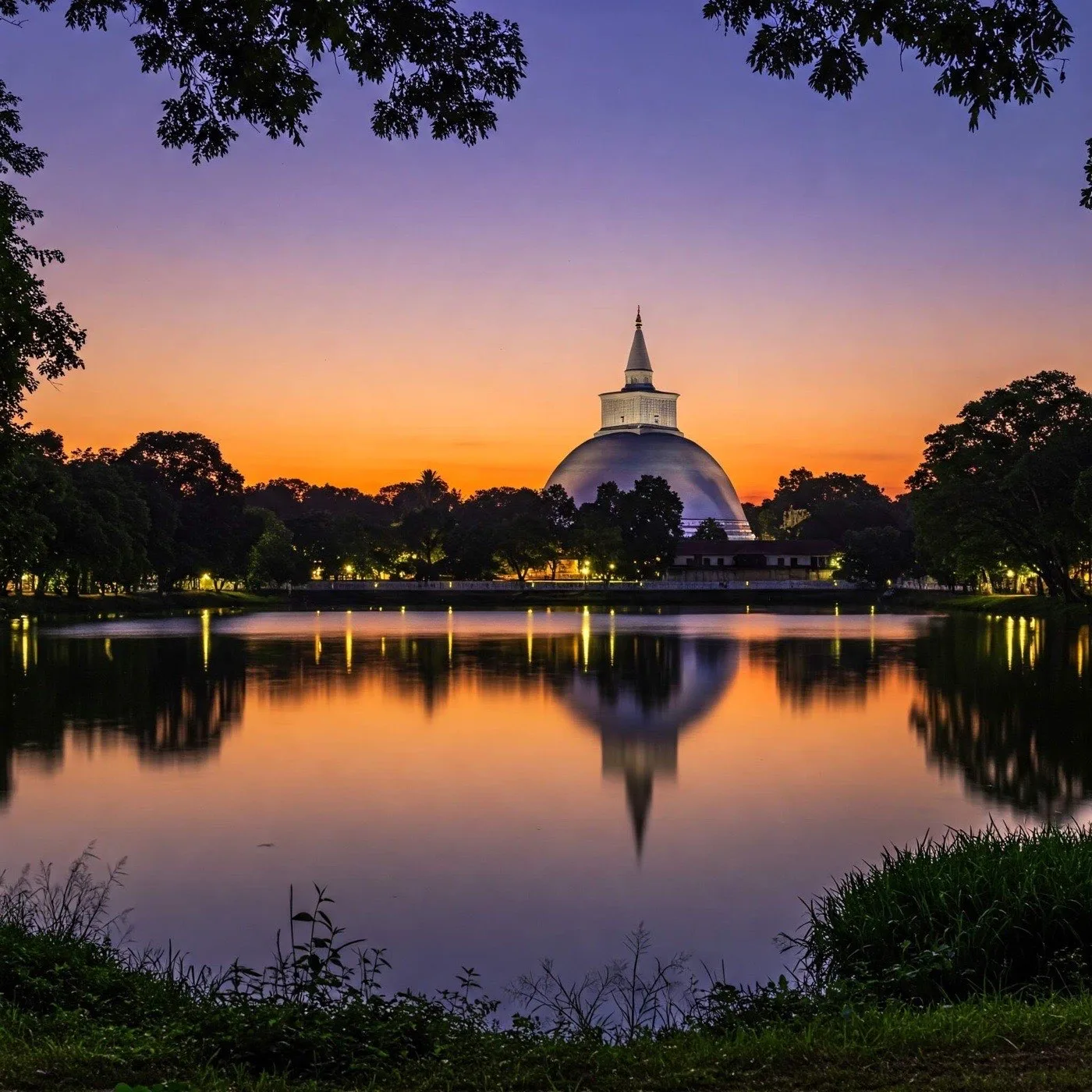
- Kiri Vehera — ancient white dagoba dating to the 2nd century BC within the sacred complex
- Gateway to Yala National Park (15 km) — combine safari with pilgrimage
- Menik Ganga River — pilgrims bathe in the sacred river before entering the temple complex
Plan & Book
Links above are affiliate links. We may earn a small commission at no extra cost to you — it helps keep this site free.
What to See & Do
Kataragama Maha Devalaya
The principal shrine of the Kataragama complex — a modest but profoundly sacred structure housing the deity Skanda/Murugan. Three pujas daily (5:30 AM, 10:30 AM, 6:30 PM). Dress conservatively; remove shoes before entering the sacred area.
Kiri Vehera Dagoba
A gleaming white stupa within the Kataragama complex dating to the 2nd century BC — one of the oldest Buddhist monuments in the south. Named 'Kiri' (milk) for its white colour. Often draped in thousands of oil lamp offerings.
Esala Festival (July–August)
Two weeks of nightly processions culminating in the Vel festival — including firewalking over beds of hot coals, hook-swinging (vel), kavadi dancing, and elephant processions. One of the most intense religious festivals in Asia.
Getting There from Colombo
Via Southern Expressway to Matara, then inland through Tissamaharama. Most visitors combine with Yala.
Bus to Tissamaharama, then local bus to Kataragama (25 km).
Best Time to Visit
July–August for the Esala Festival. Year-round pilgrimage site. Avoid October–November (heavy rains in deep south).
Traveller Tips
- ▸Arrive before 6:30 PM to find a good position for the evening puja — it gets very crowded
- ▸Remove shoes and dress modestly (covered shoulders and knees) throughout the sacred complex
- ▸Photography is permitted in the complex but not inside the inner shrine during puja
- ▸The Menik Ganga bathing area is open to visitors — watch pilgrims purify before worship
- ▸Combine with an early morning Yala safari (15 km) for a full deep-south day
- ▸During the Esala Festival, book accommodation months in advance — the town fills completely
Ready to Visit Kataragama?
We'll build a complete itinerary around your interests, budget, and trip length — from airport arrival to departure.